A collaborative CLI for humans and agents.

Your model, your terminal.

Flow like water. Share context. Work as one system.

Waterbrother is a local-first collaborative coding runtime: terminal control, Telegram and Discord surfaces, shared-room roles, verification workflows, project memory, MCP, vision, and web research in one operator stack.

Built for operator-level work: one live TUI, supervised chat surfaces, multi-terminal delegation, reviewer and verifier roles, and local-first execution that stays anchored to the repo.

Rooms Telegram and Discord now drive shared room state
Roles Executor, reviewer, verifier, and terminal routing
Control Verification, memory, MCP, vision, and supervised services
Quick start

Install and launch

npm install -g @tritard/waterbrother
waterbrother --approval on-request

First launch handles provider selection, API key setup when needed, model selection, and defaults. Source installs remain documented for contributors.

Integrations

Models, messaging, tools

Waterbrother now has a first-class integrations surface covering bring-your-own-model runtime profiles, Telegram and Discord remote control, MCP tools, and the path to Signal.

Open integrations overview

Telegram + Discord

Remote control, live now

Telegram and Discord both drive the live TUI now: shared-room modes, reviewer/verifier flows, native slash or text control, and real Roundtable collaboration flows.

Open Telegram integration · Open Discord integration

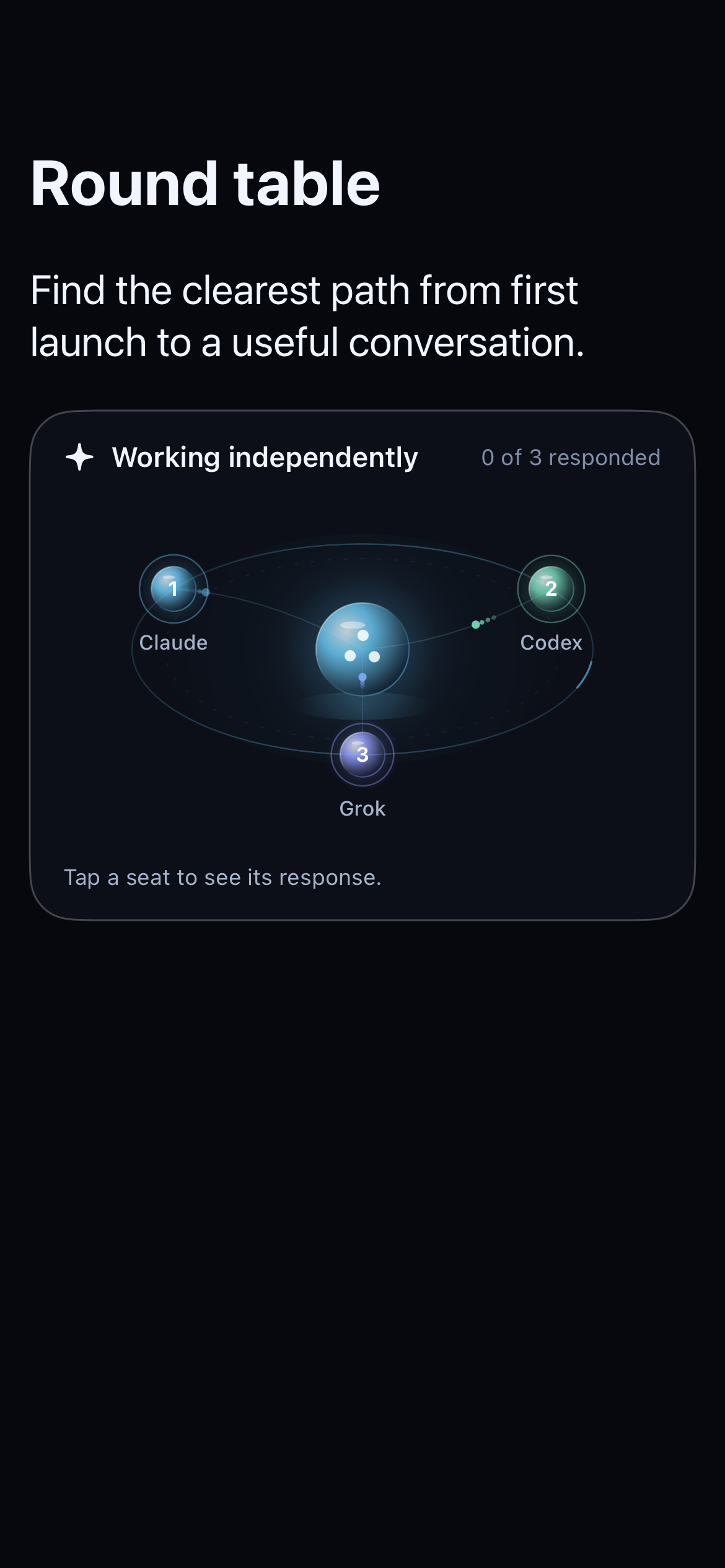
Roundtable

Shared projects, one room model

Shared projects now have room state, a human collaboration file, room modes, and an active-operator lock before broader messaging collaboration lands.

Open Roundtable details

Approvals

Review risky actions before they run

Keyboard-first prompts, session-scoped command rules, exact-shell blocking for dangerous commands, and interruptible long-running tool calls.

Vision

Screenshots into action

Drop a screenshot into the terminal, run /vision, or use waterbrother vision to turn UI critique into concrete next steps.

MCP

Bring external tools into the loop

Configure project-level MCP servers, inspect them with /mcp, and expose structured tools without giving up control of the local workflow.

Interactive UX

Built for long sessions

  • Type / to open the command palette and slash help.
  • Use / to move through command, model, and approval pickers.
  • Use /compact and auto-compaction to keep giant sessions moving.
  • Resume past work with /sessions, /resume, and durable on-disk session state.
Project memory

Keep source-of-truth close to the work

WATERBROTHER.md is loaded into the session as persistent project guidance. Pair it with session save, deterministic git helpers, and explicit docs so collaborators stay aligned across long-running work.

Why Waterbrother

Most coding CLIs are still single-seat copilots.

Collaborative by default

Telegram and Discord are live control surfaces, not future concepts. One shared project can now expose room state, tasks, invites, roles, and verification in chat.

Multiple terminals, one room

Waterbrother can coordinate multiple live terminals on one project, route verifier work to the selected terminal, and keep reviewer/verifier state attached to the room.

Language as control plane

Natural requests like “make Bert the verifier”, “who is in the room?”, or “compare executor and reviewer” resolve against live room and agent state instead of just prompting one model.

Advanced Layer

More than prompt execution

Reflection and regression memory

Waterbrother captures regressions, corrections, scorecards, and post-build review state so repeated failures can influence later work instead of disappearing into scrollback.

Sentinel and verification structure

Reviewer, verifier, chain rules, challenge passes, blocking verification, and isolated worktree checks are built into the workflow rather than bolted on as manual habits.

Voice and UI taste

Streaming dictation, xAI speech output, and an explicit anti-generic design bias push Waterbrother beyond a neutral terminal assistant into a more opinionated operator surface.

Self-improvement loop

/evolve, regression capture, correction learning, and scorecards make Waterbrother remember when a build went wrong and propose tighter behavior instead of resetting every session.

Operator controls

waterbrother ps, up, down, and restart turn the terminal, Telegram, and Discord surfaces into supervised services instead of ad hoc sidecars.

Failure handling that teaches

Doom-loop detection, provider-aware errors, context overflow recovery, and structured post-build review push Waterbrother toward a more durable control plane than a single prompt window.